


What are pain relief patches?
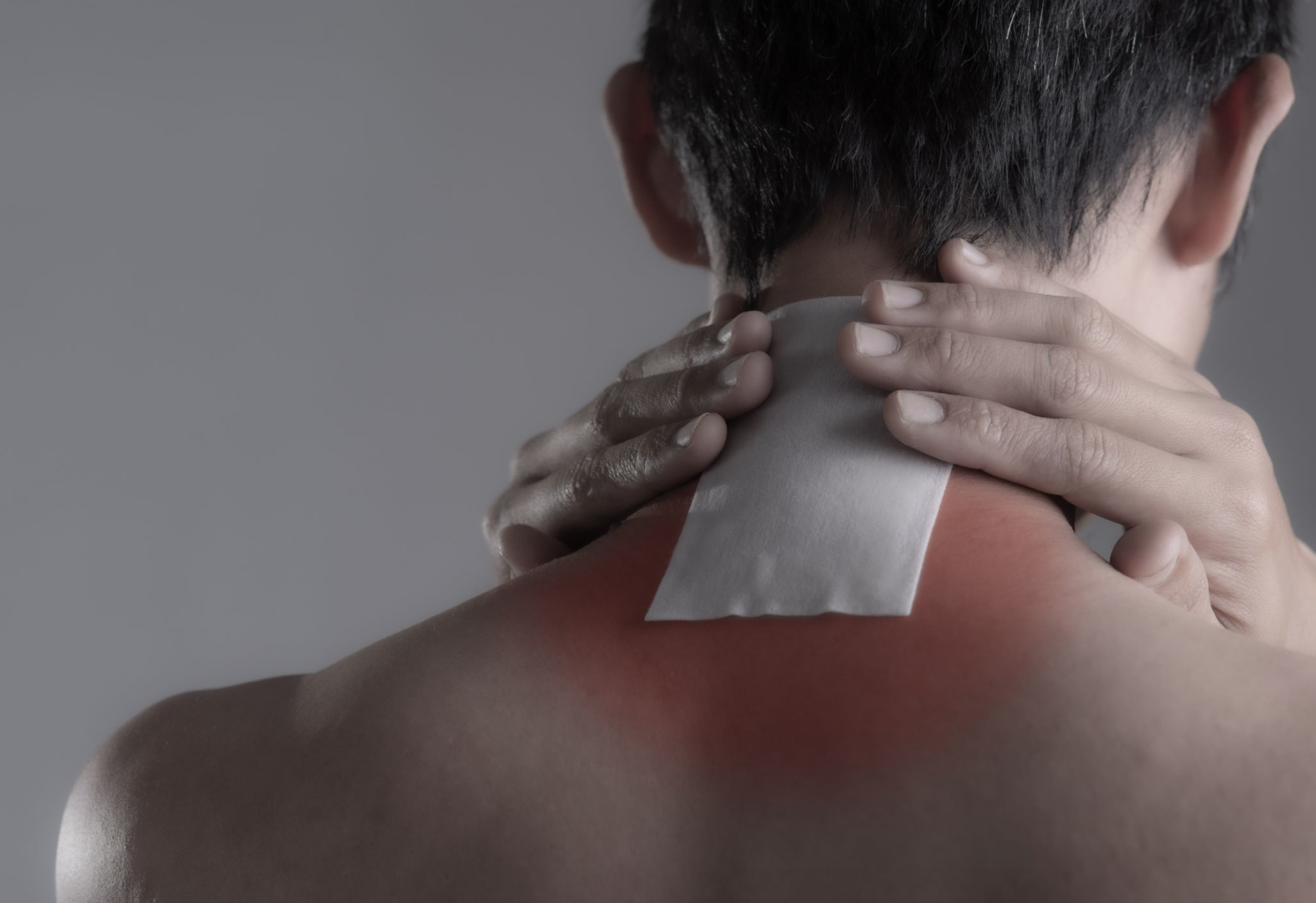
Pain relief patches are a familiar sight in pharmacies, yet many people are unsure exactly how they work. From stiff backs and sore shoulders to everyday muscle aches, pain relief patches are used across a wide range of situations.
If you’ve ever wondered whether pain relief patches could be right for you, it helps to understand a little more about how they’re designed to be used and what they’re best suited for.
Below, we explore what pain relief patches are, how they work and what to consider before using them.
What is a pain relief patch?
A pain relief patch is a topical product designed to help ease discomfort in a specific area of the body. Similar to an adhesive dressing, pain relief patches are applied directly to the skin, usually over the site of pain, and worn for a set period of time to help relieve soreness.
Pain relief patches are commonly used for muscle aches, joint stiffness, back pain, or discomfort linked to everyday strain or physical activity. They can be used anywhere on your skin where the patch can stick, but shouldn’t be used over cuts or rashes.
One of the main features of a pain relief patch is convenience. Once applied, the patch stays in place and works continuously without the need for repeated application. This makes it appealing for people who want ongoing support throughout the day or night, particularly when creams or gels may be impractical.
For example, patches are simple to use under clothing so you don’t have to keep undressing to apply a gel or cream. Patches are slim, flexible, discreet and designed to move with the body, making them suitable for use during daily activities or even overnight.
Patches offer an alternative method of delivering pain relief topically, and may be a more attractive option for you compared to creams, gels or sprays. But there are many different kinds of patches to choose from.
How do pain relief patches work?
On the whole, pain relief patches function by delivering a method of pain relief consistently over several hours, directly to the area where discomfort is felt. However, not all patches work in the same way when it comes to how they relieve pain.
Pain relief patches come in different types, depending on their ingredients and intended effect. This includes:
- Heat therapy
- Natural pain relieving ingredients
- Medications
- Cold therapy.
The right choice for you can depend on what you’re looking to get out of your pain relief. For example, warmth can help to soothe tight or tired muscles, while a cooling effect aims to reduce inflammation.
Our Ralgex® Double Action Heat Patch has a dual action formula combined with an ultra-light, second skin hydrogel matrix designed to provide long-lasting relief from discomfort.
The first mechanism is heat. Gentle warmth can help to relax tight muscles and increase comfort in the affected area, which is why heat patches are often chosen for muscle aches, back pain or post-exercise soreness.
Our patches also use naturally derived ingredients to support comfort alongside soothing warmth, including:
- Arnica extract – has anti-inflammatory properties for reducing swelling and redness.
- Mint – numbs pain while cooling the skin.
- Eucalyptus oils – relieves pain and inflammation and relaxes the muscles.
In patches, these nurturing ingredients are held in close contact with the skin, allowing their effects to be experienced gradually over several hours without the need for reapplication. Other patches may focus on different sensations or ingredients, but the principle remains the same.
Because patches are worn continuously, they offer a hands-free approach to pain relief. This continuous contact is what sets patches apart from creams or gels, which tend to work for shorter periods and require reapplication.
Are pain relief patches any good?
One of the main benefits of pain relief patches is their hands-free approach. Because they last for hours, they’re well suited to areas such as the back, shoulders, knees or legs which may not be easily accessible during your day-to-day activities.
However, their effectiveness depends on the type of patch and the nature of the pain. Over-the-counter soothing patches may help to ease muscle tightness and stiffness, but they are unlikely to be strong enough for severe discomfort.
Stronger, medicated versions available on prescription may be more suitable for severe pain. For example, some hospitals use opioid patches for pain management. If you’re experiencing ongoing or severe pain, speak to a doctor about possible causes and treatments.
Used correctly, pain relief patches can be a practical option for anyone looking for simple, targeted pain relief. By following usage instructions and medical advice, you can support your overall recovery and wellbeing without the need to reapply treatments all day long.