

Sprain & Strain Pain Relief
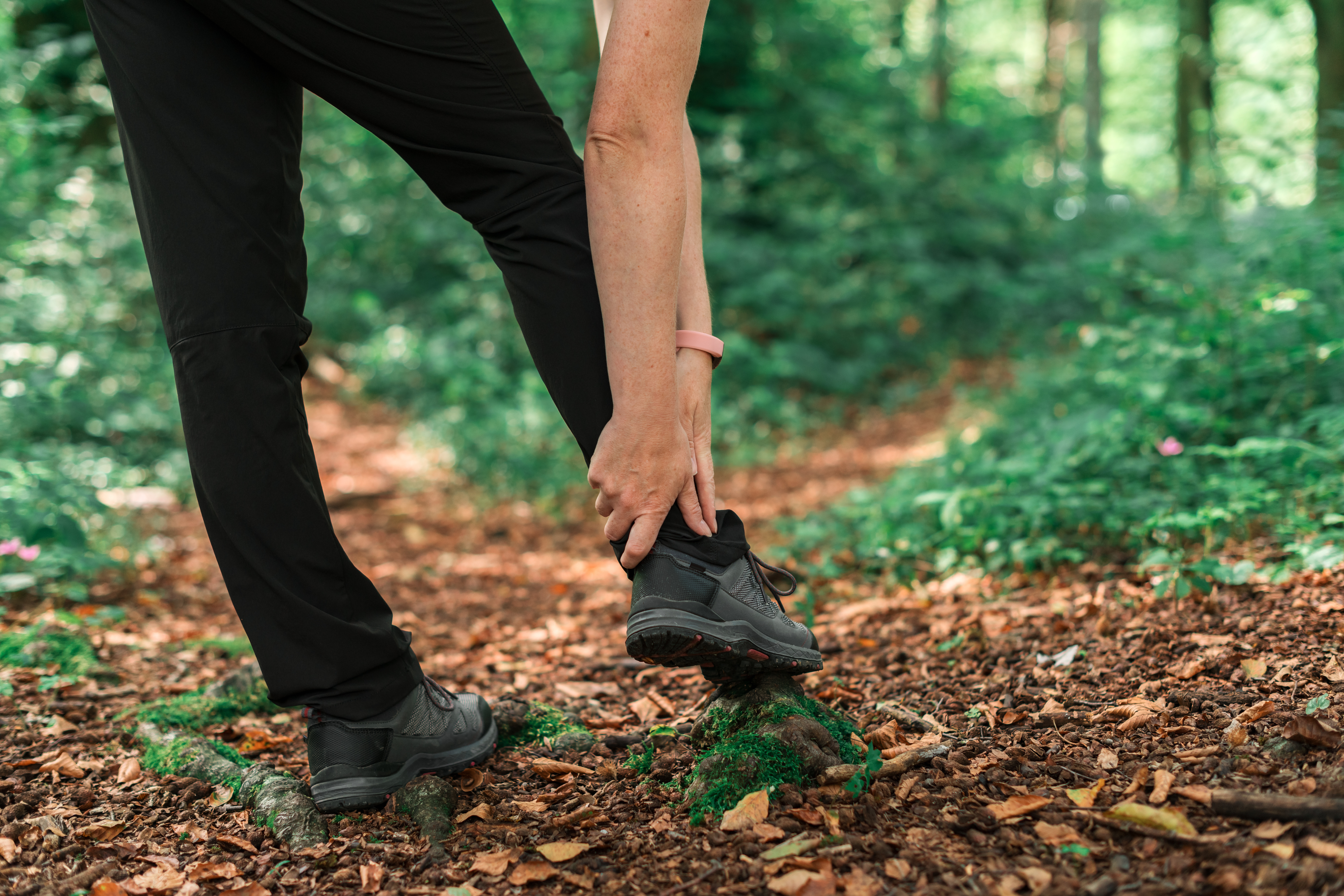
Sprains and strains can catch anyone off guard, whether you’ve twisted an ankle on a walk or pulled a muscle lifting something at home. These injuries are common, but the discomfort can still get in the way of your day.
Understanding Sprains and Strains
Sprains and strains can happen during everyday life as much as during exercise. They tend to occur when a joint is stretched beyond its limit or when a muscle is pulled too far. Typical symptoms include pain, swelling, tenderness and difficulty moving the affected area. Most sprains and strains improve with self-care, and early support can make a meaningful difference to comfort and recovery.
When To Act and How To Support Recovery
For many people, sprain and strain treatment starts with the familiar RICE method:
- Rest
- Ice
- Comfortable compression
- Elevation
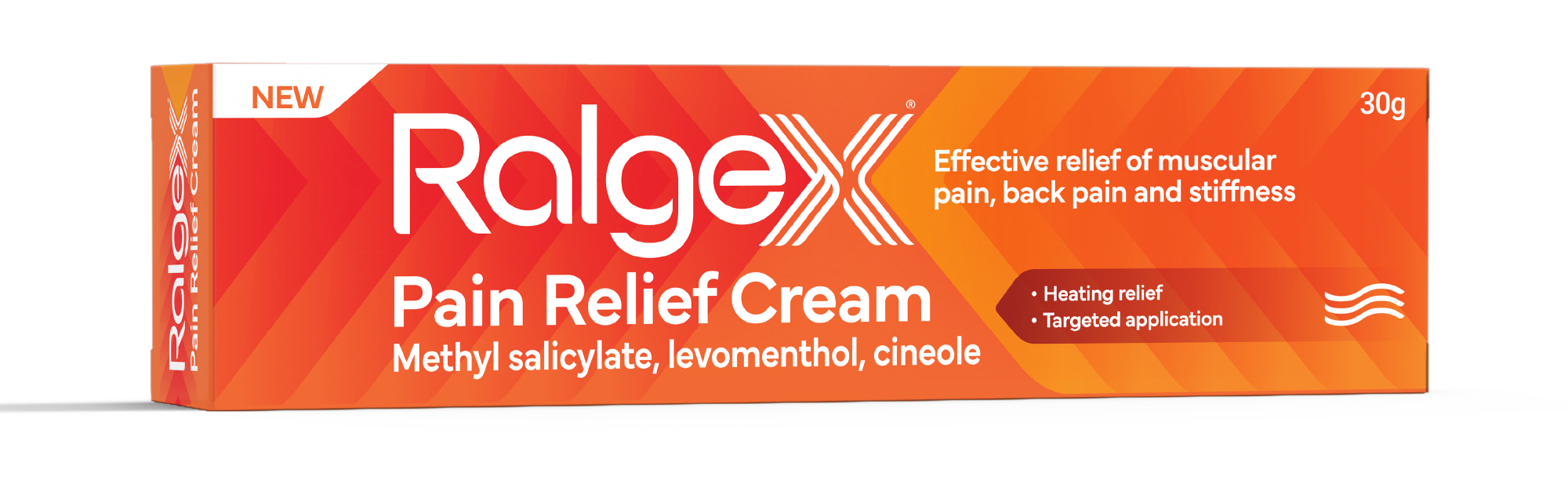
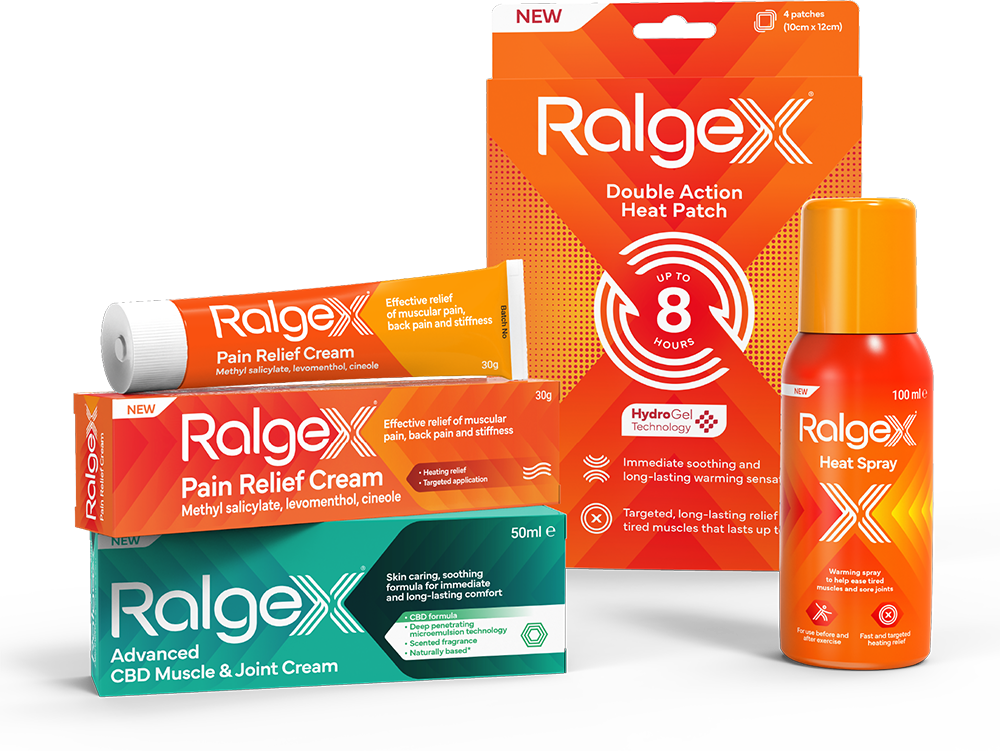
While heat should be avoided in the first 2 to 3 days after an acute sprain or strain , warmth is often recommended thereafter to help relax stiff muscles and support movement. This is where targeted products, like a sprain cream or sprain spray, can fit naturally into your routine.
If your symptoms are severe, do not improve, or you’re unsure about the cause of your pain, speak to a pharmacist or healthcare professional for further advice.