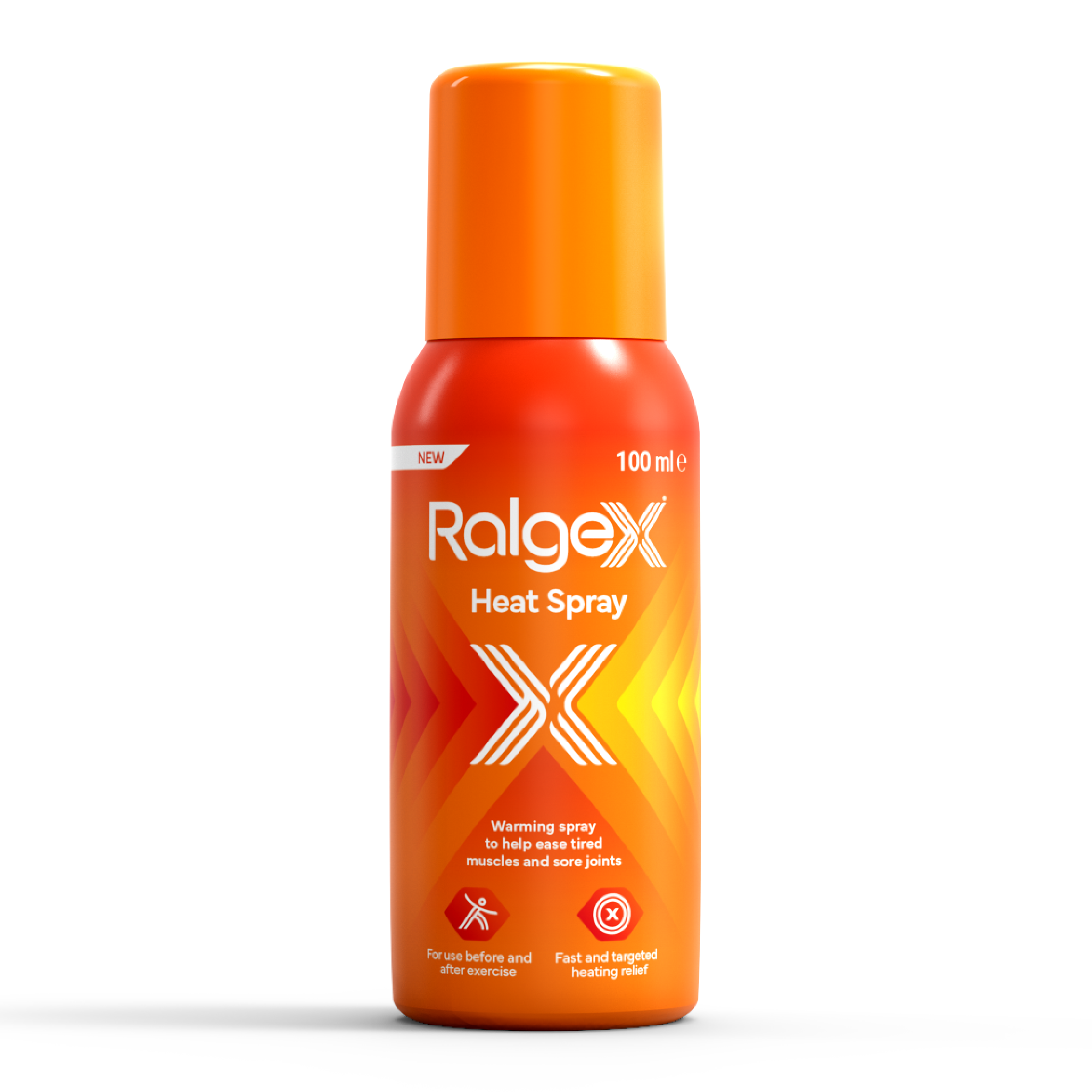



Staying active should feel good. At Ralgex, we know that performance begins with preparation, and that preventing sports injuries is just as important as training itself. Whether you are getting ready for a run, a match or a simple gym session, taking a few smart steps can help protect your body and keep you moving with confidence.
Learning how to prevent sports injuries starts with understanding what your muscles and joints need. A good warm-up, steady progress and simple everyday habits can make a real difference. Non-medicinal Ralgex products can be used as part of your routine before and after activity to help keep muscles feeling ready. Meanwhile, our Ralgex® Pain Relief Cream is designed for use if an injury like a sprain does occur, helping to soothe and support recovery.
The Importance of Warming Up
Warming up is widely recommended to help reduce the risk of injury by increasing blood flow and preparing the body for movement. A large review found that structured warm-up programmes can reduce sports injuries by around 36 percent in adolescents. While this research focuses on younger athletes, the principles support good practice for people of all ages.
Post Injury Relief
Despite all good warm up and proper exercise, sprains still can happen. Ralgex® Pain Relief Cream’s new high-strength medicated formula contains methyl salicylate – a clinically proven warming ingredient, that helps increase blood flow to the affected area and delivers effective targeted, heating relief where it’s needed most. Penetrating heat helps relax and ease stiffness and pain so movement can feel easier again. It can be used for the short-term symptomatic relief of pain associated with muscle stiffness and sprains.
Even with the best preparation, injuries can still happen from time to time. Having support on hand means you can respond quickly and manage symptoms effectively, so you can get back to moving comfortably again.