



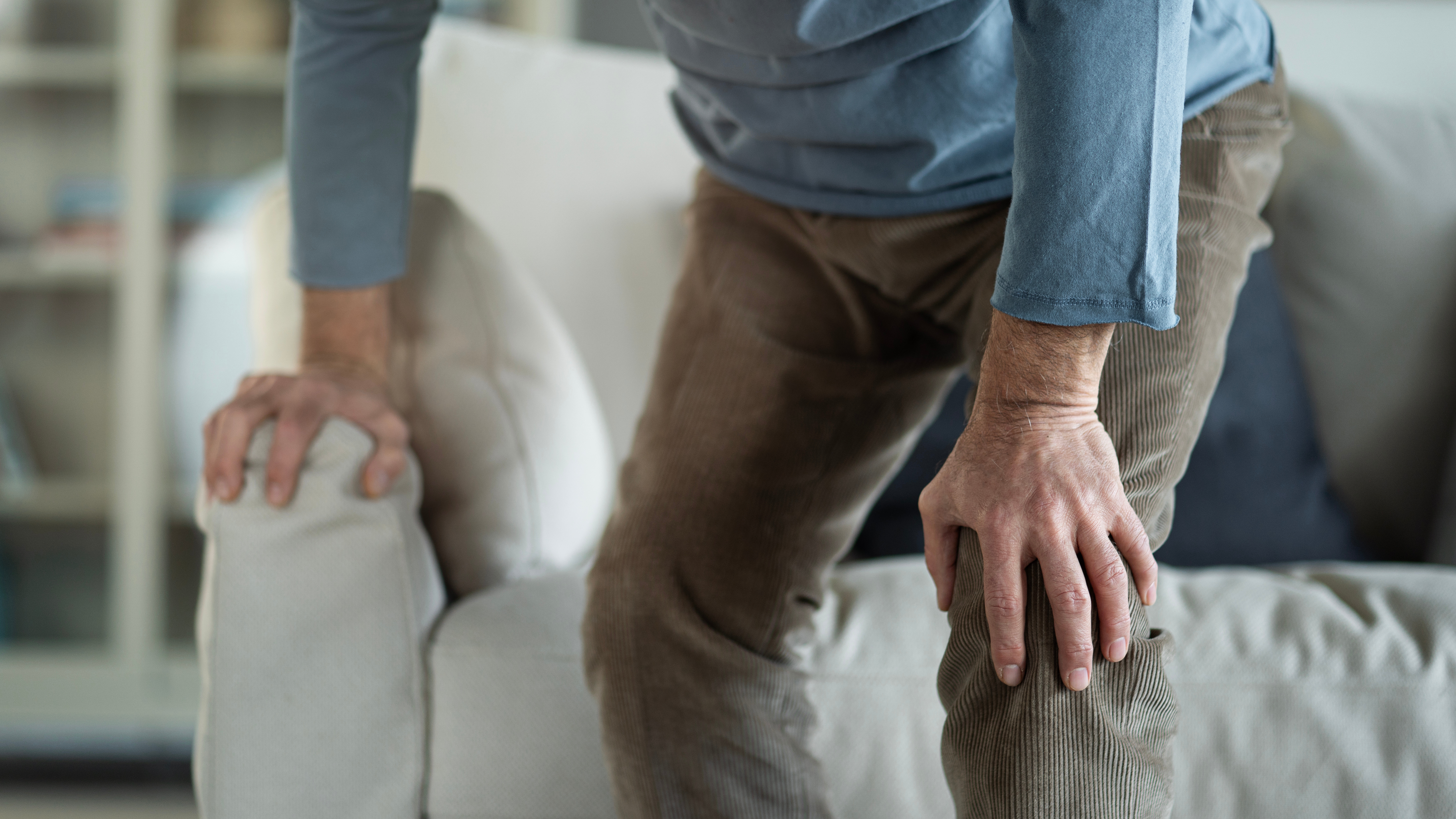
Living with osteoarthritis can make everyday movement feel harder than it should. Stiff joints, ongoing aches and reduced mobility are common, especially in the knees, hips, hands and spine. While osteoarthritis is different from inflammatory conditions such as rheumatoid arthritis, both can significantly affect joint comfort and day-to-day mobility. The right approach to osteoarthritis pain relief can make a real difference to comfort, confidence and quality of life.
This page explains what osteoarthritis is and how it is commonly managed.
Understanding Osteoarthritis
Osteoarthritis is the most common form of arthritis. It develops when the protective cartilage that cushions the ends of bones gradually wears down. As the cartilage thins, joints can become painful, stiff and less able to move smoothly.
Osteoarthritis often develops slowly and tends to worsen over time. It can affect one joint or several, and symptoms may vary from mild and manageable to more persistent and disruptive.
Common Symptoms of Osteoarthritis Include:
- Joint pain that worsens with movement or after activity
- Stiffness, particularly first thing in the morning or after resting
- Reduced range of motion or flexibility
- Swelling or tenderness around the joint
- A grinding or clicking sensation when moving.
For many people, effective osteoarthritis pain relief focuses on managing symptoms rather than curing the condition, helping them stay active and independent for longer.