


How to relieve SI joint pain
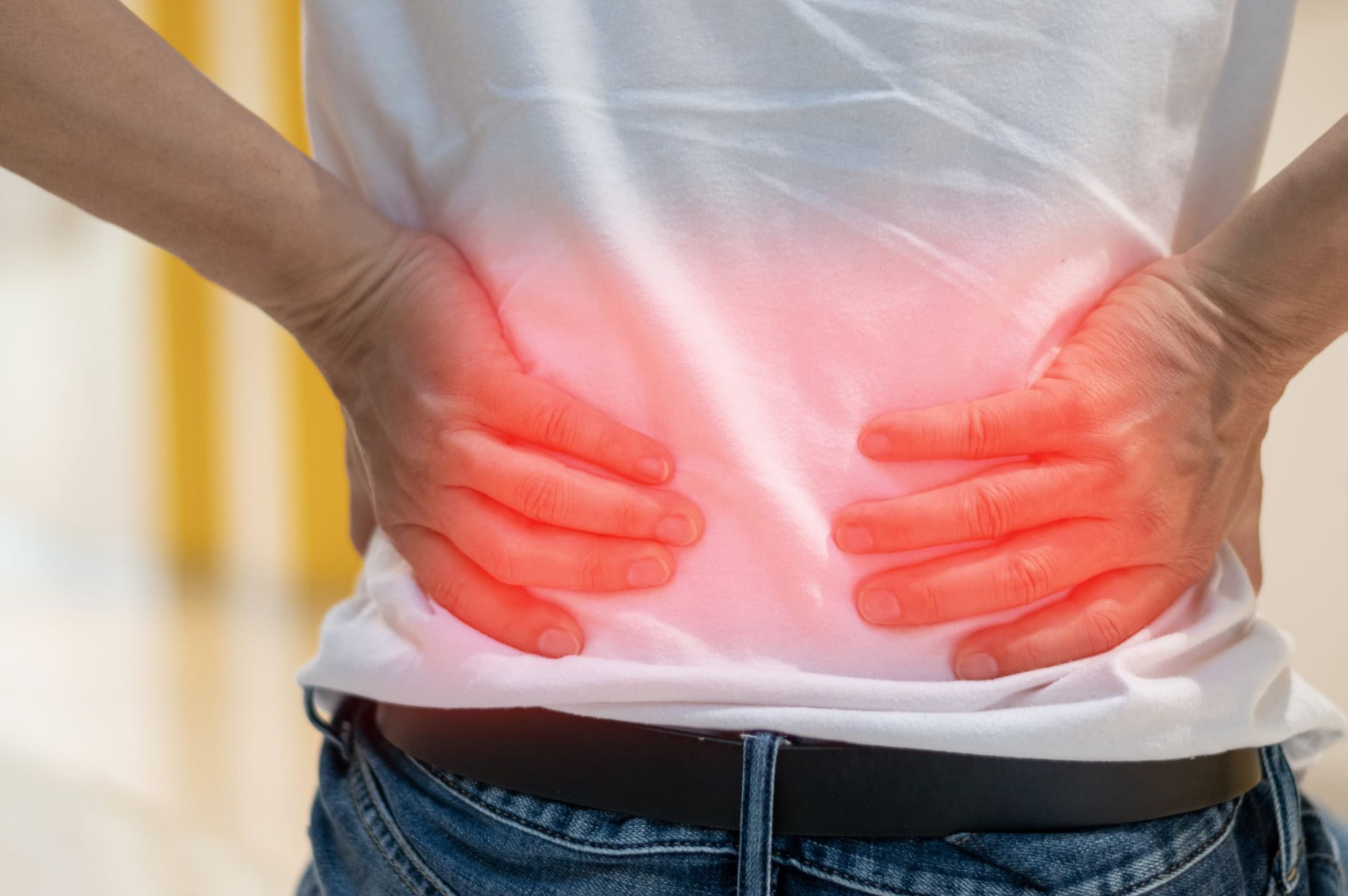
The sacroiliac (SI) joints sit at the base of the spine, connecting the lower back to the pelvis, and play a vital role in supporting movement and stability. When these joints become irritated or strained, pain can be felt in the lower back, buttocks, hips or sometimes radiating down into the legs. This often affects everyday activities like sitting, walking, climbing stairs or getting up from a chair.
This article explores practical ways to help relieve SI joint pain and support day-to-day comfort. Keep reading to learn more.
How to ease SI joint pain
There are different ways to approach easing SI joint pain, and it’s important to recognise that no single solution works for everyone. Symptoms can vary widely in how they feel, how often they occur and how much they affect daily life. However, some self-care techniques can help to ease joint pain for many people, reducing ongoing strain around the lower back and pelvis.
It’s equally important to know when to seek professional advice. Consult a doctor or other qualified healthcare professional if SI joint pain:
- Is severe
- Lasts for a prolonged time without relief
- Gets worse
- Comes alongside other symptoms such as a fever or loss of bowel/bladder control
- Disrupts sleep
- Begins to interfere significantly with everyday activities.
A healthcare professional can assess your symptoms, rule out underlying causes and guide you on appropriate next steps to support your long-term comfort and mobility.
Below are some self-care measures that may help to relieve your SI joint pain.
Rest
Rest can play an important role in easing SI joint pain. The sacroiliac joints help to transfer weight between the upper body and legs, so they are under constant load during everyday activities. When these joints become irritated, continuing to push through pain can increase strain and slow recovery.
However, rest does not mean complete inactivity. Instead, it’s about avoiding movements or positions that aggravate symptoms and giving the joint a break from repeated stress.
For example, while it’s important to still move around and stay active, walking at a slower pace and steering clear of more arduous routes during recovery can help you to avoid movements that put undue strain on the SI joint and surrounding muscles.
Light exercise
As mentioned, gentle exercise can be helpful in easing SI joint pain by keeping the body moving without placing excessive strain on the affected joint.
When movement becomes very limited – such as during prolonged bed rest or time spent seated – the muscles around the lower back, hips and pelvis can tighten and weaken, which may increase discomfort and reduce stability.
Gentle activity helps to maintain flexibility, supports circulation and encourages the muscles that support the SI joint to continue doing their job. By encouraging smooth, controlled motion, light exercise supports better coordination between the pelvis and spine, which is important for everyday activities such as walking or standing.
The key is to move within comfortable limits and avoid pushing through pain. When approached gradually and consistently, light exercise can support joint comfort and help to build confidence in movement over time.
Massage
Massage can help to ease SI joint pain by reducing tension in the muscles that surround and support the joint. While the SI joint itself has limited movement, tight or overworked muscles in the lower back, hips, and buttocks can place extra strain on the area and contribute to discomfort. Massage helps these muscles to relax, which may reduce pressure around the joint and improve overall comfort.
Many people find that massage promotes a sense of relaxation, which can be particularly helpful when pain is linked to prolonged tension or stress. It may also increase body awareness, making it easier to recognise areas of tightness or imbalance that contribute to ongoing discomfort.
When delivered by a trained professional, massage can be a supportive way of managing SI joint pain as part of a broader, balanced approach to everyday comfort.
Heat therapy
Similarly, heat therapy can help to relieve SI joint pain by encouraging the muscles around the joint to relax and easing feelings of stiffness in the lower back and pelvis. Applying heat can create a soothing, warming sensation that helps muscles to loosen, which may reduce pressure around the joint and improve overall comfort.
This can be done with topical heat products such as Ralgex® Pain Relief Cream, which contains clinically proven methyl salicylate to deliver targeted relief deep into muscles and joints by increasing blood flow in the area.
By supporting circulation in the affected area, heat therapy helps tissues to feel more supple and less restricted, making movement easier. This can be particularly helpful during periods of stiffness, such as after getting up in the morning.
Painkillers
Topical NSAID pain relief gels can help to relieve SI joint pain by working directly at the site of discomfort. Applied to the skin over the lower back or pelvic area, these gels deliver active ingredients locally, helping to reduce inflammation and swelling in the surrounding tissues without affecting the whole body.
By helping to calm inflammation, topical gels may reduce soreness and tenderness around the joint, making everyday movements feel more comfortable. Many people also find the act of gently massaging the gel into the skin helps to soothe discomfort and ease muscle tension in the area, adding to the overall sense of relief.
Relieving SI joint pain often involves a combination of supportive approaches that focus on comfort, movement and reducing strain on the lower back and pelvis. By listening to your body and seeking professional advice when pain is severe or persistent, you can take positive steps towards managing symptoms and staying active.