


How to relieve muscle pain
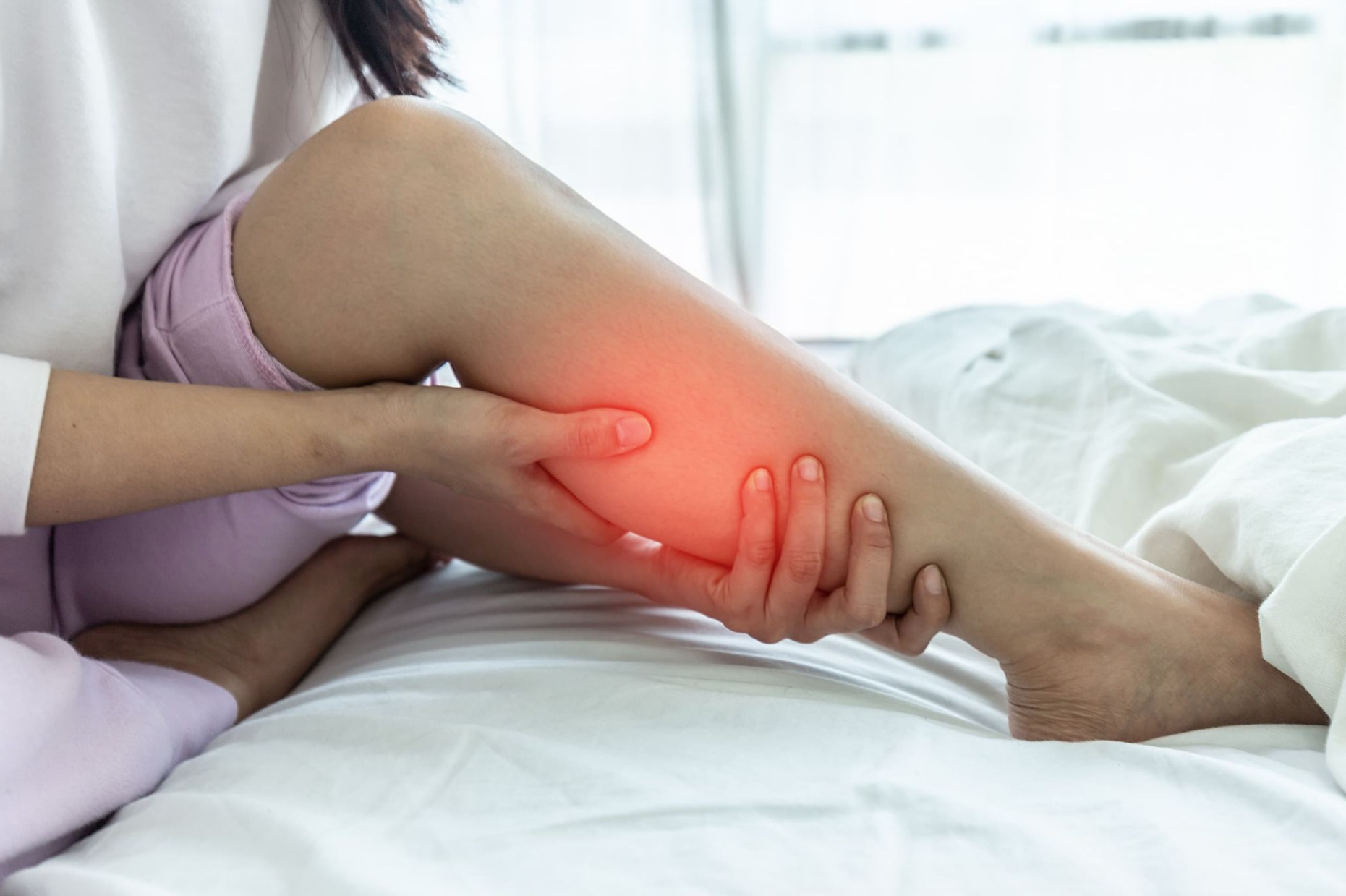
Muscle pain is something most of us experience at some point. It might come on after exercise, a minor illness, stress and tension or simply from everyday wear and tear. While it’s common, that doesn’t mean it’s something you have to just put up with. Understanding how to manage muscle pain can make a real difference to your everyday life.
This guide is designed to help you relieve muscle pain safely and effectively, no matter the cause. From simple self-care habits to targeted relief you can apply directly where it’s needed, we’ll walk through options that support recovery and comfort. Keep reading to learn more.
How to ease muscle pain
Relieving muscle pain is rarely about a single quick fix. In many cases, the best results come from using a combination of techniques that work together to support recovery and comfort. Muscles can become sore or stiff for different reasons, so it makes sense that one approach alone may not address every factor involved.
Below, we discuss a range of pain relief techniques that can help you to feel better. By combining these approaches and paying attention to how your body responds, you can create a more balanced and effective way to manage muscle pain and stay comfortably active.
The RICE method
The RICE method is a well-established approach often used in the early stages of muscle pain caused by minor strains, sprains or overuse. RICE stands for Rest, Ice, Compression and Elevation, and each step plays a specific role in supporting recovery.
- Rest helps to protect the affected muscle from further strain, giving the tissue time to settle and repair.
- Ice is commonly used in short bursts during the first 24 to 48 hours to help reduce swelling and ease discomfort by limiting excess blood flow to the area. Allow the skin to warm back up between uses and only apply ice for 10 to 20 minutes at a time. Always place a towel between ice and your skin.
- Compression, such as a supportive bandage, can help to manage swelling and provide gentle support during the daytime. Always remove compression bandages before sleeping.
- Elevation encourages inflammation to go down, reducing pain. Where possible, elevate the affected area above the heart for the best results.
Used together, these steps can help calm pain, control inflammation and support the body’s natural healing process. While RICE is most useful in the short term, it can form a helpful foundation before gradually returning to movement and ongoing muscle care.
Release tension
Releasing tension is an important part of relieving muscle pain, as staying tense can lead to stiffness and reduced range of motion. While rest is advised in the immediate aftermath of a muscular injury, gradually starting to move the affected area again can help to restore movement and ease discomfort.
Simple techniques such as gently stretching the affected muscles can allow you to release tension. Heat therapy is also commonly used to penetrate deep into muscles. Our Ralgex® Pain Relief Cream contains a clinically proven warming ingredient – methyl salicylate – to increase blood flow to the painful area and ease stiffness and pain.
Massage, whether self-applied or guided by a professional, can further support this process by increasing circulation and reducing feelings of tension. Over time, this can help to relieve aches and get you back to your full range of motion sooner.
Eat well
Eating well can play a supportive role in reducing muscle pain and aiding recovery. Muscles rely on a steady supply of nutrients to repair, rebuild and function properly, especially after physical activity or periods of strain. A balanced diet that includes enough protein helps to support muscle maintenance and recovery, while carbohydrates provide the energy muscles need to work efficiently.
Certain nutrients are also linked to muscle comfort. For example, foods rich in magnesium and potassium, such as leafy greens, bananas and nuts, help to support normal muscle function and may reduce the likelihood of cramping.
Staying well hydrated is just as important, as dehydration can impact important bodily processes, including healing. By eating regular, nourishing meals and drinking enough fluids, you give your body the tools it needs to recover more comfortably and stay active.
Get enough sleep
Not getting enough sleep is linked to increased pain, particularly for those with an existing injury or health condition. While you rest, your body carries out important repair processes that help muscles recover from daily strain, exercise and minor injuries.
Creating a relaxing bedtime routine, keeping regular sleep hours and ensuring your sleep environment is comfortable can all make a difference. By prioritising rest, you give your muscles the time they need to recover properly, helping you to wake up feeling more comfortable and ready to move.
Try topical NSAIDs for pain relief
Topical NSAID pain relief gels can help to relieve muscle pain by delivering active ingredients directly to the area that feels sore. Applied to the skin, these gels are absorbed locally, allowing targeted relief at the site of pain without affecting the rest of the body.
Because they’re applied directly to the skin, topical gels can be easily worked into routines such as gentle massage, helping to support circulation and relaxation while addressing muscle pain in a focused, practical way.
At the end of the day, there are many different ways you can relieve minor muscle pain at home. Relieving muscle pain may work best with a balanced approach, combining rest, nutrition and targeted self-care techniques. By understanding what your muscles need and responding early, you can ease discomfort more effectively and support comfortable, confident movement every day.