


How to ease arthritis pain
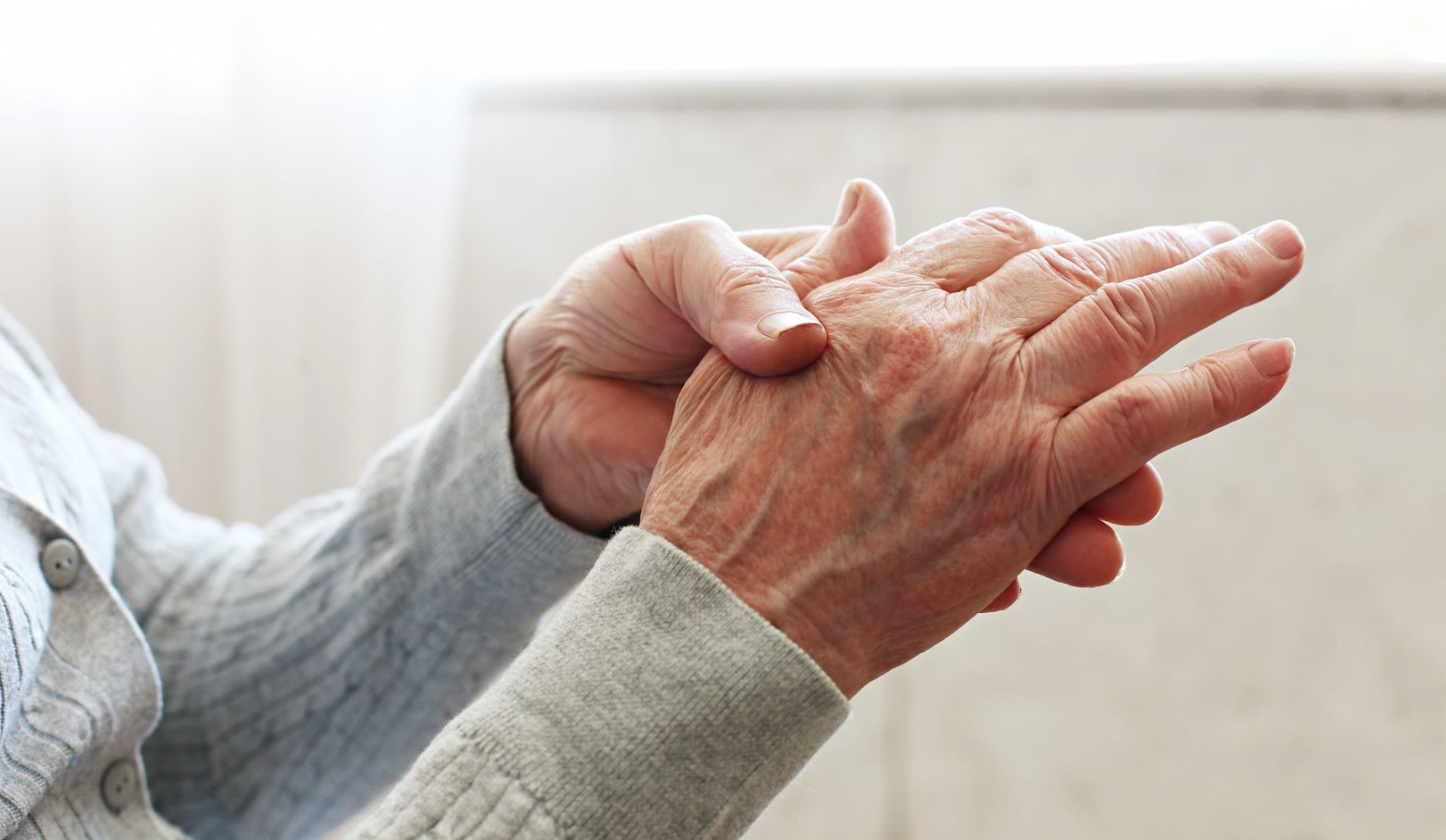
Living with pain can be tough, but there are many ways to find relief and improve your daily comfort regardless of what caused your arthritis.
In this article, we’ll discuss how different approaches, such as targeted pain relief and gentle activities, can help to ease the discomfort and support a more active lifestyle alongside treatments from your healthcare team.
What is good for arthritis pain?
Arthritis pain can feel challenging, but there are ways to manage it that can help to ease discomfort. While medical treatments can address the condition itself, it’s important to remember that simple changes in your daily routine can also make a real difference in how you feel.
This isn’t about taking on arthritis all by yourself – the advice and support of your healthcare team is still key and is often tailored to the type of arthritis you have. But you can help yourself to feel more comfortable day-to-day by assessing how your habits help or hinder your mobility.
Your journey with arthritis is unique, and it’s worth noting that not every form of self-care support will work for everyone. But with the right approach for you and the support of your healthcare provider, you can move through each day with less discomfort and more confidence.
Below are four great ways to help ease arthritis pain at home.
Gentle exercise
It may sound surprising, but moving your body can actually help to reduce stiffness and discomfort in your joints. The key is to start slow and choose a range of activities that are kind to your body, allowing you to build strength and mobility without putting extra strain on your joints.
Regular movement helps to keep your muscles strong, which can take some of the pressure off your joints and ease discomfort. You don’t have to jump into intense workouts – simple, low-impact activities like walking, swimming or yoga can provide great benefits.
To really see the benefits of gentle exercise, it’s important to consider the variety of exercises you’re doing. While it can be tempting to pick one exercise and stick to that, it’s usually better to do a range of activities that target the four vital parts of mobility:
- Flexibility – the range of movement in your joints
- Strength – how much weight your joints and muscles can bear
- Fitness – how hard you can work your heart and lungs
- Balance – how stable you are in everyday movements.
Most importantly, listening to your body and going at your own pace is crucial. With consistency and care, gentle exercise can be a powerful tool in managing arthritis pain and improving your quality of life.
Use assistive devices
Using mobility aids and other assistive devices can be a simple yet effective way to make daily tasks more manageable. These tools are designed to provide support, reduce strain on your joints and help you move more comfortably throughout the day.
There are many types of assistive devices, and finding the ones that suit you best can make a big difference. For example:
- Joint braces or supports can help to stabilise affected areas, offering relief and reducing the risk of further strain.
- Ergonomic tools for tasks like cooking, dressing or writing can reduce joint stress and make it easier to complete daily activities, supporting independence.
- Walking aids like canes or walkers can help with balance, reducing the pressure on your joints while walking.
These small adjustments can add up to a big improvement in your comfort and quality of life, helping you to feel more in control throughout your daily routine.
Heat and cold therapy
Heat and cold therapy are simple, soothing ways to help ease arthritis pain using things you may already have at home, and they can be a real game-changer. Both methods work in different ways to bring relief, and finding the right combination for you can make a big difference.
Heat therapy helps to relax your muscles and improve blood flow, which can ease stiffness and pain. A warm bath, heating pad, hot water bottle or warm towel can provide gentle, comforting heat to the affected areas.
Cold therapy, on the other hand, reduces inflammation and numbs the area, which can help with swelling and sharp, intense pain. A cold pack or ice wrapped in a towel can be a great option – even frozen peas in a pinch!
You can alternate between heat and cold depending on what you need in the moment – you might find you need heat to ease stiffness after sitting or lying down for a while, whereas cold therapy may be preferable after activity.
Topical painkillers
Topical painkillers, especially those with anti-inflammatory properties, can be helpful in easing arthritis pain. These creams, gels, or ointments are applied directly to the skin over the affected joint, allowing the medication to target pain and inflammation right where it’s needed most.
Anti-inflammatory topical pain relief works by reducing swelling in the joints, which is often a major cause of arthritis pain. When applied, these gels and creams help to calm the inflammation, ease stiffness and reduce discomfort.
The benefit of using topical treatments is that they can provide targeted relief to specific areas, such as the knees, hips or hands, without affecting the rest of the body. This makes them a convenient option when you need fast, localised relief.
Topical pain relief can be massaged gently into the skin for added comfort, making them a soothing option. Speak to a pharmacist if you’re already taking another form of pain relief, as combining the two could lead to unwanted effects.
Remember, managing arthritis pain is a journey, and finding the right combination of treatments that work for you is key. With the right approach and support, you can improve your comfort and continue to live an active, fulfilling life.