


How can you treat a sprain?
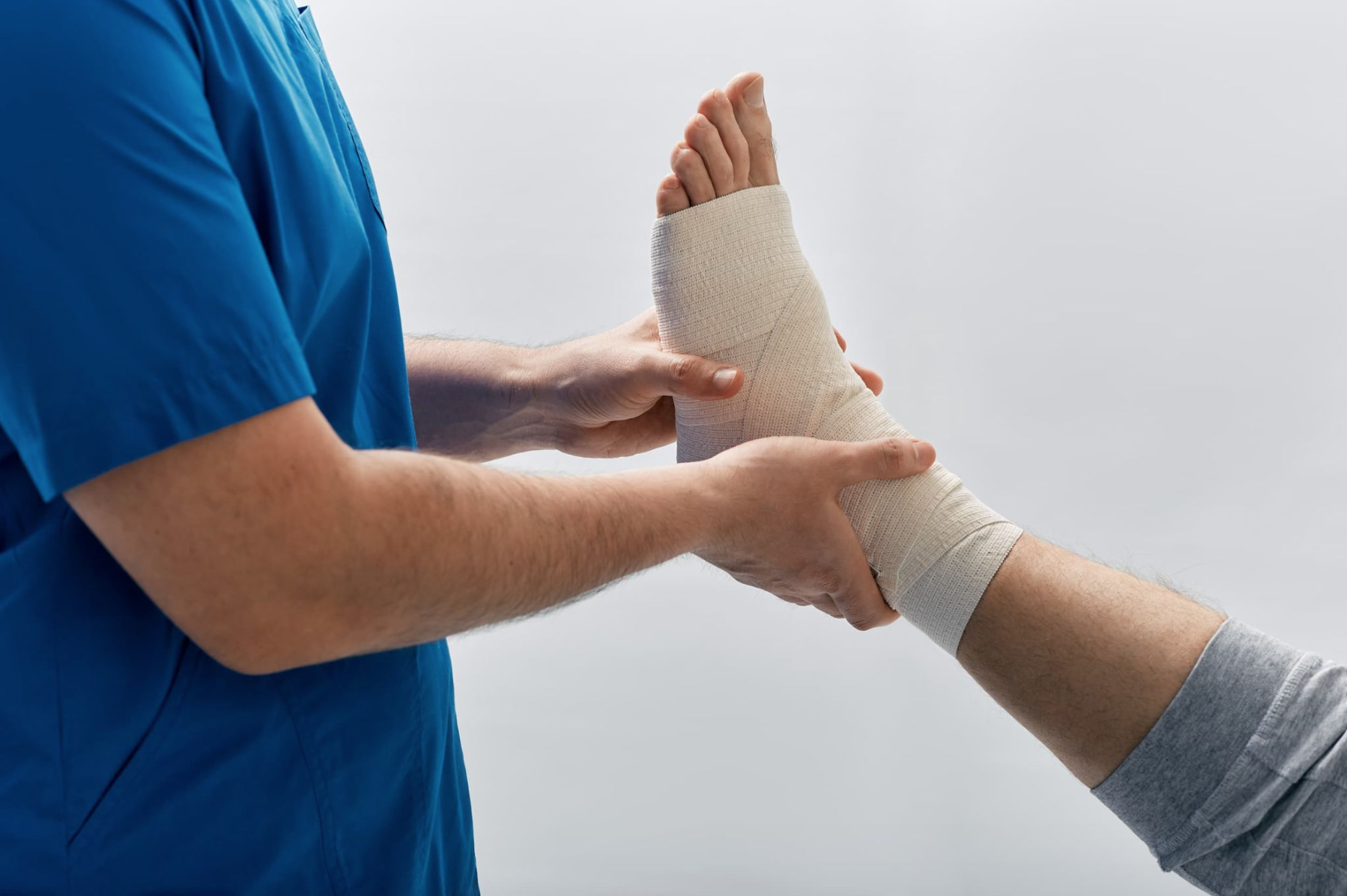
A sprain is a common injury that can happen to anyone, whether during sport, exercise or everyday slips and trips. It occurs when a ligament, the tough tissue that connects bones at a joint, is stretched or torn beyond its normal range.
Sprains most often affect the ankles, wrists, thumbs and knees, and symptoms can include:
- Pain
- Swelling and/or bruising
- Stiffness in the affected joint
- Difficulty putting weight on the joint or using it as normal.
Knowing how to treat a sprain properly is important for supporting recovery and reducing the risk of ongoing discomfort or weakness. Early care can help to manage symptoms, protect the injured area and support the body’s natural healing process.
How to treat a sprain
For many mild to moderate sprains, the injury can heal without you needing to see a doctor. Self-care measures include the PRICE method, light exercise and using pain relief to help manage the sprain while your body repairs the affected ligaments.
While the majority of sprains improve with simple self-care, it’s important to know when to seek medical advice. If pain is severe, swelling is significant, you’re unable to bear weight or move the joint at all or symptoms do not improve after a few days, a healthcare professional should assess the injury – this may indicate more serious damage than initially thought.
The PRICE method
The PRICE method is a widely used approach for managing a sprain in the early stages and helping to reduce pain and swelling. PRICE stands for Protection, Rest, Ice, Compression and Elevation, with each step supporting the body’s natural healing process.
- Protection – use a supportive brace or splint to protect the injured area.
- Rest – avoid using the affected joint and avoid all strenuous activities and exercise.
- Ice – control swelling by applying an ice pack to the injury for up to 20 minutes at a time.
- Compression – wrap a compression bandage around the joint to reduce inflammation.
- Elevation – raise the affected joint above heart level as much as possible, resting the limb on a soft surface like a cushion.
Used together, these measures help to manage inflammation, reduce discomfort and protect the joint during the initial phase of healing. The PRICE method is most effective soon after a sprain occurs and can create a stable foundation for gradual movement and recovery as symptoms begin to improve.
Important! In the first couple of days after a sprain occurs, avoid heat therapy treatments. These can exacerbate swelling during the initial phase of the injury.
After this point, however, heat therapy can help to relieve discomfort while you get back to normal movement. Ralgex® Pain Relief Cream contains methyl salicylate, a clinically proven warming ingredient that helps to increase blood circulation in the affected area. This aims to relieve pain and stiffness, making movement easier.
Gentle exercise
Once the initial pain and swelling subsides, light exercise can play an important role, as avoiding movement for too long can lead to stiffness, reduced flexibility and weakness around the injured joint. Carefully reintroducing light activity helps you to maintain your normal range of motion and supports the surrounding muscles as they begin to recover.
Controlled, low-impact movement also encourages blood flow to the area, which supports the delivery of oxygen and nutrients needed for healing. It can also help to improve confidence in using the joint again during everyday activities. Gentle exercise supports coordination and stability, helping the joint to regain normal function over time.
The key is to move within comfortable limits and avoid exercises that cause sharp pain or increased swelling. When introduced gradually, gentle exercise can support recovery and help to reduce the risk of long-term weakness or repeated injury.
Painkillers
Topical NSAIDs can be helpful when treating a sprain, as they allow you to reduce swelling and inflammation deep at the site of injury. NSAIDs, or non-steroidal anti-inflammatory drugs, work by limiting the body’s inflammatory response, which is often responsible for swelling, tenderness and stiffness around a sprained joint.
By easing inflammation, topical NSAIDs can help to reduce discomfort and make gentle movement easier during everyday activities. This can support recovery by allowing the joint to be used more comfortably as healing progresses. Many people also find that gently rubbing the gel into the injured area helps with circulation and stiffness.
Topical NSAIDs should always be used as directed in the patient information leaflet. If symptoms are severe, worsen or do not improve after two weeks, it’s important to seek advice from a healthcare professional.
Sprains are rarely serious, and treating one usually involves resting and reducing swelling, followed by a gentle, gradual return to normal activity with pain relief to help ease the transition. Taking action early and keeping an eye on your symptoms helps your body to recover safely and reduces the risk of ongoing problems.